Wild rabbit control in urban and semi-urban areas
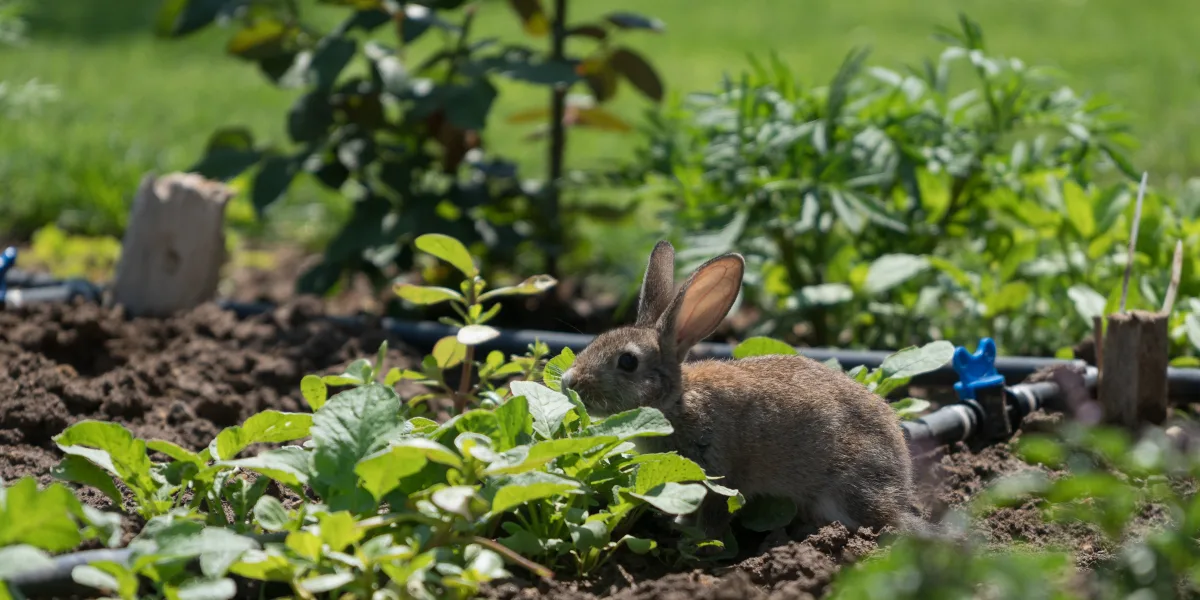
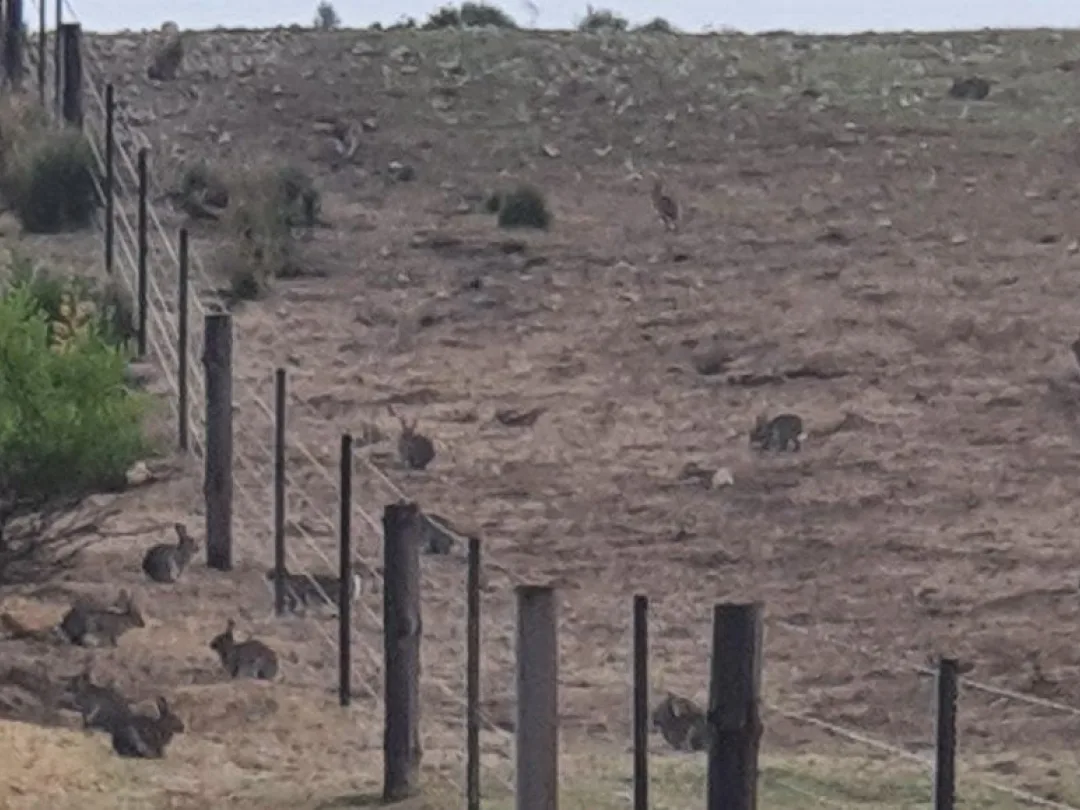
Before taking action, it’s important to understand the scale of the rabbit problem on and around your property. The best place to start is to estimate rabbit numbers and identify where they live and where they feed. Rabbits often live in one place and feed in another. Knowing both areas is essential to effective control.
Controlling wild rabbits works best when neighbours coordinate their efforts together. If rabbits are living next door but feeding on your block, control will be more effective when you work with your neighbour.
Taking action to reduce the impacts of wild rabbits
Controlling wild rabbits in urban areas can be difficult as the range of options available is more limited than in rural areas. Combining a number of control measures can make a big difference for long-term control.
Removing rubbish
Removing places where rabbits can live is crucial. This includes clearing woodpiles, trimming low hanging shrubs and tree branches and keeping garden areas tidy. When sheltered areas are removed, rabbits are less likely to reinvade.
Exclusion fencing
Exclusion fencing can reduce feed for wild rabbits and protect gardens and small areas from rabbit damage. Use small-mesh fencing and secure it firmly, including burying the bottom of the fence 150-200 mm if possible, to prevent rabbits digging underneath.
Warren destruction
Collapsing or filling in rabbit holes, combined with other methods, reduces rabbit numbers and prevents reinvasion. Placing mesh over the warren before filling helps stop rabbits from reopening it.
Baiting
Currently, Pindone is the only poison bait available in urban situations for rabbit control. Baiting of wild rabbits with Pindone is most effective when other food sources are scarce, and this is most often in summer and autumn.
The Pindone poison is mixed onto diced carrots and is green in colour.
Your property must be 1,000 m² or larger and you must follow label instructions for urban areas.
Bait should always be laid in a trail, not in heaps, and placed where rabbits are already feeding. Creating a shallow furrow can help contain the bait and make it easier to assess the uptake of the bait. A Pindone program typically runs for up to 13 days, so plan to ensure you can complete each feed. Warning signs must be placed at property entrances for the duration of the program.
Example: Pindone baiting schedule
Monday | Tuesday | Wednesday | Thursday | Friday | Saturday | Sunday |
Night 1
Free feed #1 | | | Night 4
Free feed#2 | | | Night 7
Pindone feed #1 |
| | Night 10
Pindone feed #2 | | | Night 13
Pindone feed #3 | |
When used in accordance with the directions for use, risk of Pindone to non-target animals is far reduced. Talk to your local Landscape Officer about how to minimise off target poisoning. If Pindone poisoning of domestic animals or wildlife occurs, treatment from a vet can be successful.
Biological agents, such as calicivirus releases, work best when used alongside other control tools. They are less effective on small or scattered rabbit populations. Releases are recommended in autumn, as spring releases can increase the chance of immunity developing within the rabbit population.
Biological controls
Biological agents, such as calicivirus releases, work best when used alongside other control tools. They are less effective on small or scattered rabbit populations. Releases are recommended in autumn, as spring releases can increase the chance of immunity developing within the rabbit population. Contact your local Landscape Officer to discuss the distribution of biological controls.
Fumigation
Certain rabbit warrens can be fumigated in autumn to reduce rabbit numbers. The fumigation process also closes warren entrances which helps reduce reinvasion. Not all warrens can be fumigated, and to purchase fumigation tablets you will require chemical accreditation.
Local Landscape Officers, local knowledge
We have a responsibility to ensure rabbits are effectively managed across the region. This is guided by the Limestone Coast Pest Plant and Animal Strategy.
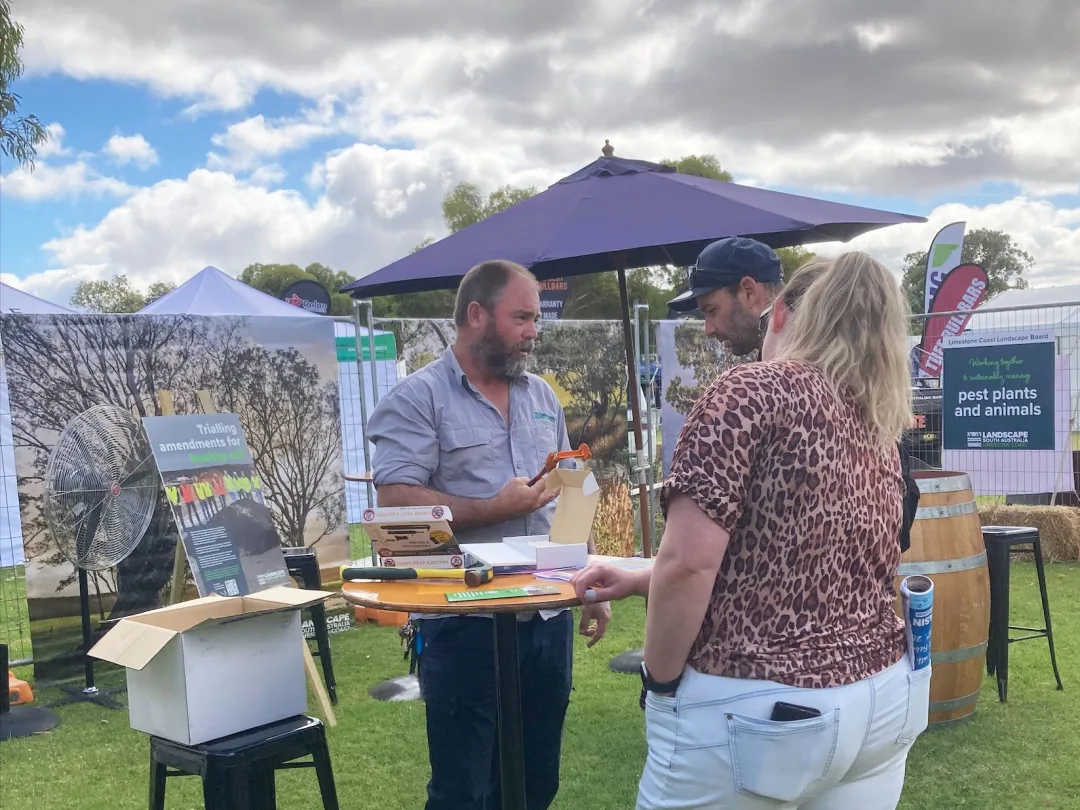
Our Landscape Officers are spread across the region and can help you control rabbits on your property by providing:
- local advice on control methods and timing of control
- supply of rabbit bait and equipment
- help to coordinate pest control with your neighbours
- support for you to engage a private contractor to control rabbits on your property or engage our Weed and Pest Animal Control Service if doing the control work yourself is not practical.
To find the best rabbit control solution to suit your needs contact your local Landscape Officer by calling 08 8429 7550 or find your local Landscape Officer.
Find your local Landscape Officer
Understanding your responsibilities
In the Limestone Coast, rabbits are declared for control under the Landscape South Australia Act 2019 (the Act). There are separate declarations for wild rabbits and domestic rabbits.
Under the Act, you are responsible for the control of wild rabbits on your property. You cannot move, sell, keep or release wild rabbits.